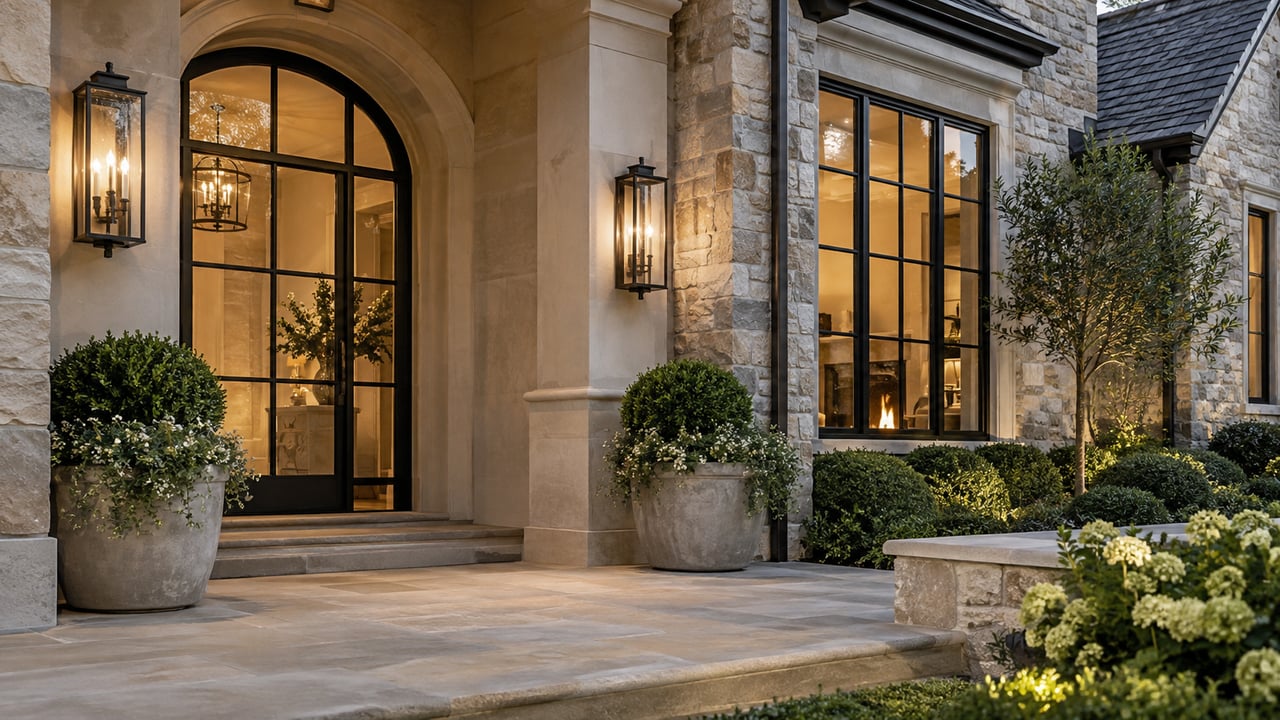
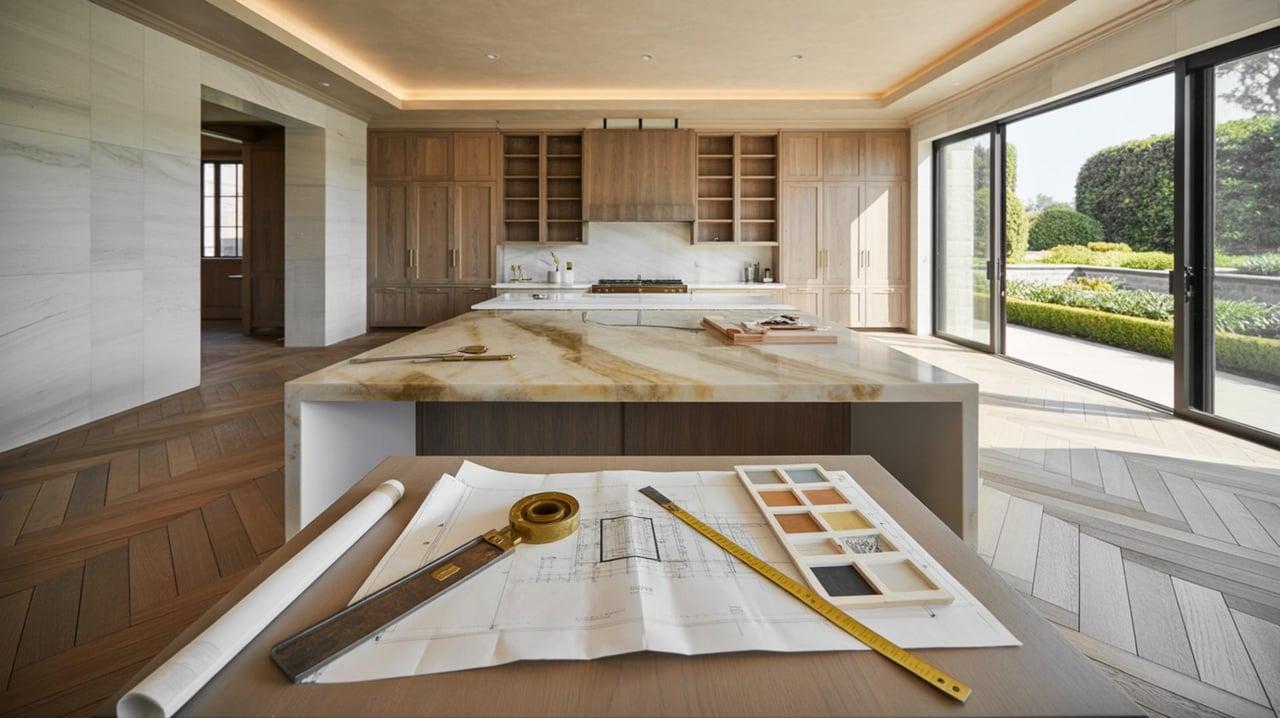
There's a moment many homeowners experience when they begin thinking about selling. They start looking around their property differently. The kitchen suddenly feels dated. The bathroom seems ready for a renovation. The flooring that has served them well for years no longer feels quite right. Before long, a relatively simple plan to sell becomes an increasingly expensive list of improvements.
But here's what many sellers don't realize until they've already spent the money: the improvements that make a home more enjoyable aren't necessarily the improvements that produce the greatest return when it's time to sell.
A beautifully remodeled kitchen may impress buyers without increasing the selling price by the amount invested. A luxury bathroom can look spectacular while contributing relatively little additional financial value. Even major improvements that add square footage or enhance outdoor living don't always translate into the return homeowners expect.
The National Association of REALTORS® and the National Association of the Remodeling Industry's 2025 Remodeling Impact Report illustrates this distinction. The report estimated that a complete kitchen renovation recovered approximately 60% of its cost at resale, while a bathroom renovation recovered approximately 50%. Those are national estimates rather than predictions for any individual home, but they demonstrate why renovation decisions deserve careful consideration.
For homeowners planning to remain in their properties for many years, the personal enjoyment of an improvement may justify the expense. For those preparing to sell, however, the objective changes. The question is no longer simply what would make the home more beautiful. It's what will make the property more competitive, more appealing to the appropriate buyer, and better positioned to achieve a successful sale.
And those answers aren't always what sellers expect.
The Complete Kitchen Renovation That May Be More Than Buyers Need
Kitchens play an important role in how buyers experience a home. They influence first impressions, daily functionality, entertaining possibilities, and the overall feeling of a property. Naturally, many sellers assume that renovating the kitchen is one of the safest investments they can make before listing.
That assumption can become expensive.
A complete kitchen renovation may involve replacing cabinetry, countertops, appliances, flooring, lighting, and sometimes even changing the layout. Costs can rise quickly, particularly when structural changes, custom materials, or premium finishes are involved. While buyers may appreciate the transformation, they still evaluate the home against comparable properties, location, condition, and overall market value.
In some cases, a thoughtful kitchen refresh accomplishes much of what a complete renovation would have achieved from a marketing standpoint. Updated hardware, refreshed cabinetry, improved lighting, neutral finishes, and careful presentation can make a kitchen feel considerably more inviting without requiring an extensive investment.
Of course, there are circumstances where a complete renovation is warranted. A kitchen that is significantly outdated, poorly functioning, or substantially below the expectations of buyers in its price range may benefit from more meaningful improvements. The distinction is understanding whether the renovation will solve a genuine market disadvantage or simply create a more expensive version of a kitchen buyers might already find acceptable.
Before investing in a new kitchen, sellers should understand how their existing kitchen compares with competing properties and whether those differences are likely to affect the sale.
The Luxury Bathroom Remodel That Doesn't Deliver a Luxury Return
There is something undeniably appealing about a beautifully designed bathroom. Spacious showers, elegant tile, sophisticated lighting, custom vanities, and carefully selected finishes can create a memorable impression. Yet the amount a homeowner spends achieving that appearance doesn't necessarily translate into an equivalent increase in resale value.
Bathroom renovations can become particularly costly when plumbing is relocated, layouts are reconfigured, or premium materials are selected throughout the space. A homeowner may invest substantially in creating a spa inspired retreat only to discover that buyers appreciate the result without assigning the same financial value to the upgrades.
The 2025 Remodeling Impact Report estimated that bathroom renovations recovered approximately half their cost at resale. Although individual results vary, that finding reinforces the importance of evaluating the scope of a renovation before committing to it.
For a home with an otherwise functional bathroom, smaller updates may be more appropriate. Improving lighting, refreshing grout, replacing worn fixtures, updating a vanity, or simply correcting visible maintenance concerns can create a meaningful improvement in presentation.
Higher end homes may require a different level of finish, particularly when competing properties establish clear expectations for luxury amenities. Even then, the objective should be to position the home appropriately rather than assume that the most expensive materials will automatically produce the highest selling price.
The smartest improvements are often those that address what buyers notice most, without investing heavily in details they may not be willing to pay extra to obtain.
The Primary Suite Addition That Costs More Than It Contributes
Adding a spacious primary bedroom suite can dramatically change how a home lives. A larger bedroom, private bathroom, walk-in closets, and improved separation from other living areas can create an experience that homeowners enjoy for years.
But when the intention is to sell soon, building an addition deserves a very different financial evaluation.
Construction costs extend well beyond the visible finishes. Architectural planning, permits, foundation work, roofing, utilities, heating and cooling, interior finishes, and unforeseen construction issues can make even a relatively straightforward addition a substantial investment. The resulting home may offer additional square footage, but that doesn't guarantee buyers will compensate the seller for the full construction cost.
According to the 2025 Remodeling Impact Report, a new primary suite addition was estimated to recover approximately 54% of its cost at resale.
The value of additional living space depends on several factors, including the original layout, neighborhood expectations, available comparable sales, and the price range in which the finished property will compete. Adding square footage to a home that already meets buyer expectations may produce a very different outcome than correcting a significant functional deficiency.
For homeowners planning to remain in place, the comfort and convenience of a thoughtfully designed addition may justify the investment. For someone preparing to sell, it may be wiser to highlight the existing home's strengths rather than undertake a major construction project without evidence that the market will support the expense.
Highly Personalized Improvements That Narrow the Buyer Audience
One of the pleasures of homeownership is creating spaces that reflect personal interests, tastes, and lifestyles. Dedicated hobby rooms, specialty entertainment spaces, dramatic design elements, customized cabinetry, and unique architectural details can make a property feel truly individual.
The challenge arises when those improvements are evaluated by someone with entirely different preferences.
A beautifully designed specialty room may be invaluable to its current owner but less useful to a buyer who would prefer a conventional bedroom, office, or flexible living space. Highly customized finishes may create excitement for one buyer while prompting another to calculate the cost of making changes.
This doesn't mean distinctive homes or personalized features should be avoided. Exceptional architecture and thoughtful customization can be powerful selling advantages, particularly when the improvements complement the character of the property and align with its likely buyer audience.
The concern is investing additional money in highly specialized features immediately before selling without understanding whether those improvements will broaden or limit market appeal.
When preparing a property for sale, flexibility often has value. Buyers appreciate being able to imagine how a home might accommodate their own needs, furnishings, and lifestyles. Improvements that create a more welcoming, versatile environment may appeal to a broader audience than those designed around a very narrow use.
Before spending money on a specialty upgrade, it's worth asking whether the investment will help buyers envision themselves living in the home—or make them wonder how much it will cost to change it.
Elaborate Outdoor Improvements That Exceed the Market
Outdoor living can be one of a property's most appealing features. Comfortable patios, attractive landscaping, well-maintained lawns, inviting gathering areas, and thoughtfully designed entertaining spaces can significantly influence a buyer's emotional connection to a home.
However, the relationship between outdoor improvement costs and resale value is not always straightforward.
A homeowner may invest in extensive hardscaping, custom outdoor kitchens, elaborate landscaping, specialty lighting, or decorative water features expecting the improvements to produce a substantial increase in value. Yet the return depends heavily on climate, location, property type, maintenance requirements, and the expectations of buyers within that particular market.
In some communities, sophisticated outdoor entertaining areas are an important part of the lifestyle buyers are purchasing. In others, a clean patio, refreshed landscape beds, neatly trimmed trees, and an inviting outdoor setting may accomplish what is necessary to make the home competitive.
It's also important to recognize that maintenance can influence buyer perceptions. An elaborate outdoor environment may be appealing visually while introducing additional responsibilities and expenses that some buyers would prefer to avoid.
The objective should be to make the outdoor spaces an asset to the property's presentation without assuming that every additional dollar invested will be reflected in the eventual selling price.
Sometimes a beautifully maintained landscape and thoughtfully arranged seating area tell a more compelling story than an expensive renovation.
What Should Sellers Improve Before Putting Their Home on the Market?
Understanding which renovations may not produce the expected return doesn't mean sellers should ignore the condition or presentation of their properties. Quite the opposite. Preparing a home for sale remains an important part of an effective real estate strategy.
The difference lies in identifying which improvements can genuinely influence buyer interest, perceived condition, marketability, and the property's competitive position.
Fresh paint in thoughtfully selected colors can create a more cohesive appearance. Addressing visible maintenance concerns can help buyers feel confident about the property's condition. Improved lighting, clean windows, updated hardware, attractive landscaping, and well-presented living spaces can make a meaningful difference in how a home is experienced.
Professional photography and thoughtful marketing further influence how buyers encounter the property before ever stepping through the front door.
But there is no universal renovation formula that works for every home.
A property in a market where buyers strongly prefer updated, move-in-ready homes may benefit from improvements that would be unnecessary elsewhere. A distinctive luxury estate may require a different presentation strategy than a smaller residence. A well-maintained home with older finishes may be better positioned through accurate pricing and exceptional marketing than through a costly renovation.
The key is understanding the relationship between the property, its competition, and the buyers most likely to purchase it.
That understanding should come before the contractor estimates, not after the work is complete.
Before You Spend Money Preparing Your Home for Sale, Have the Right Conversation
The decision to renovate before selling is rarely as simple as choosing between updating a home and selling it as-is. Every property has its own strengths, limitations, buyer expectations, and competitive considerations.
What makes sense for one homeowner may be an unnecessary expense for another.
That's why Mark and Denise Zervos of The Luxury Home Experts at Platinum Real Estate believe that preparing a property for sale should begin with a strategy, not a renovation checklist.
With decades of experience across diverse residential and luxury real estate markets, Mark and Denise understand the importance of evaluating a property's condition, presentation, pricing, and competitive position before recommending significant improvements.
Sometimes a carefully planned refresh can make a meaningful difference. Other times, the smarter decision is to leave the home largely as it is and concentrate on strategic pricing, compelling presentation, and reaching the appropriate buyers.
The goal isn't simply to make a property look better. It's to help sellers make informed financial decisions that support their overall objectives.
Thinking about selling your home? Before you invest thousands in improvements, let's talk about what may actually make a difference.
Contact Mark and Denise Zervos and The Luxury Home Experts at Platinum Real Estate for a personalized conversation about your property's market position, preparation options, and selling strategy.
216-990-2100 | 239-264-1100
Global Reach. Local Roots.
References
National Association of REALTORS® and National Association of the Remodeling Industry. 2025 Remodeling Impact Report. https://www.nar.realtor/research-and-statistics/research-reports/remodeling-impact
Journal of Light Construction. 2025 Cost vs. Value Report. https://www.remodeling.hw.net/cost-vs-value/2025/
National Association of REALTORS®. Preparing Your Home for Sale. https://www.nar.realtor